
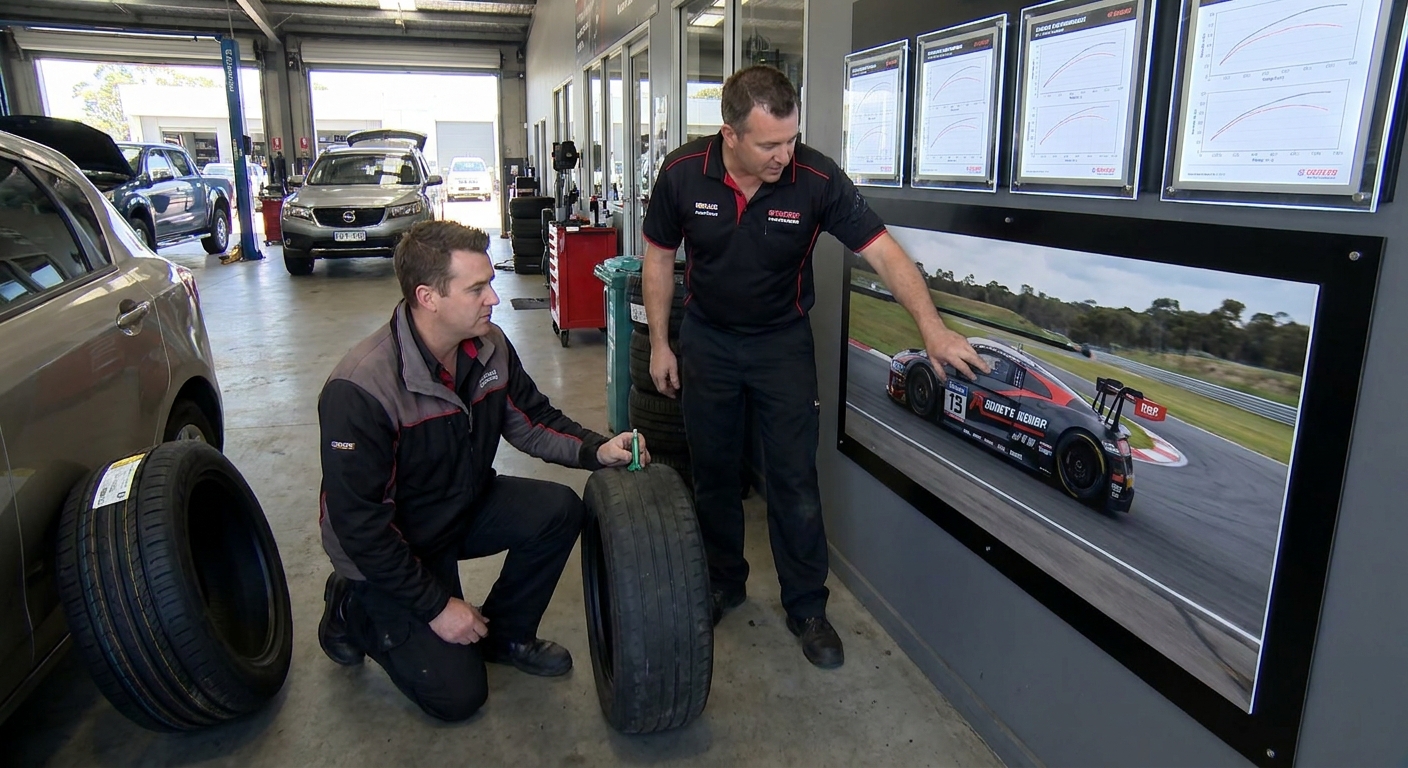
Engines get all the glory, but your tires are the only part of your car that actually touch the road. They decide how well you stop in the rain, how stable the car feels at highway speeds, and even how tired you are after a long drive due to noise and vibration.
Why Tires Deserve Their Own Buying Guide
Yet most drivers buy tires in a rush: something wears out, a shop has a sale, and whatever is in stock goes on the car. Enthusiasts sometimes swing in the opposite direction—chasing ultimate grip while ignoring ride quality and tread life.
This guide takes a down-to-earth look at tire buying, using five key questions to turn specs and buying guides into a set of practical, real-world choices.
1. What Do You Actually Drive, Where, and How?
Before you read a single tire buying guide, you need a realistic profile of your driving.
Ask yourself:
- Vehicle type: Small hatchback, family SUV, pickup, performance car?
- Climate: Do you see snow and ice, just rain, or mostly dry conditions?
- Typical use: Daily commuting, road trips, spirited weekend drives, towing?
- Mileage: 8,000 km a year or 30,000 km plus?
Your answers determine the tire category you should be looking at:
- All-season tires: Good for moderate climates and mixed use; the go-to for most daily drivers.
- All-weather tires: A step up for colder regions; can carry the 3PMSF (three-peak mountain snowflake) symbol and handle winter better than basic all-seasons.
- Summer performance tires: Excellent grip and handling in warm, dry, and wet conditions—but useless in snow and very cold temps.
- Dedicated winter tires: Softer compound and aggressive tread for snow and ice, but noisy and quick-wearing in warm weather.
- All-terrain / mud-terrain: For trucks and SUVs that genuinely see dirt, gravel, and trails.
Experience-based advice:
If you consistently drive in real winter conditions (snow-packed roads, ice, regular sub-freezing days), no all-season tire can truly replace a proper winter set. Buying guides may highlight “all-season with good snow traction,” but that still isn’t the same as a winter tire when you need to stop on ice at an intersection.
2. Which Specs Actually Matter for Your Daily Drive?
Tire buying guides are full of terms: treadwear, traction ratings, speed ratings, load index, UTQG, and more. Not all of them affect you equally.
The Specs to Prioritize
Correct Size and Load/Speed Rating
- Start with the tire size listed on your door jamb or in the owner’s manual. - Make sure any alternative sizes or load ratings are approved by a knowledgeable shop or tire calculator. - Don’t downgrade the load index or speed rating below manufacturer specs.
Treadwear Rating (UTQG)
- Higher number = generally longer life, but usually less outright grip. - For a daily driver, a mid-to-high treadwear number often makes sense.
Traction and Temperature Ratings
- AA/A traction and A temperature ratings are usually where you want to be for safe, confident everyday driving.
Noise and Comfort Feedback
- Rarely captured in a single spec, but well covered in good buying guides and user reviews.
Specs You Can Treat as Secondary (Most of the Time)
- Ultra-high speed ratings (W, Y) if you never approach those speeds.
- Aggressive off-road tread if your truck or SUV rarely leaves pavement.
Practical tip:
When reading tire buying guides, scan for clear, experience-based comments like "noticeably quieter than stock," "rides firm over potholes," or "great wet braking." Those comments translate directly into how the car will feel from the driver’s seat.
3. What Trade-Offs Are You Willing to Live With?
Every tire is a compromise between grip, longevity, comfort, noise, and price. Good guides will highlight these; your job is to decide which trade-offs work for you.
Common Trade-Off Scenarios
- You want maximum grip and sharp steering response.
- You’ll likely give up tread life and some comfort.
- Great if you’re an enthusiast with a second set of winter tires.
- You want long life and low running costs.
- You may accept less precise handling and slightly longer braking distances.
- Ideal for high-mileage commuters or rideshare drivers.
- You want quiet, comfortable road trips.
- You might choose a touring all-season tire over a performance-focused one.
Down-to-earth example:
If your commute is 40 km of highway each way, five days a week, you’ll notice road noise and comfort far more than a half-second difference in cornering grip. On the other hand, if you live in a winding, hilly area and enjoy a spirited drive, you might gladly sacrifice a bit of tread life for a tire that feels secure and responsive.
Buying guides that include comparative tests (e.g., braking distance from 100 km/h in wet and dry, slalom tests, interior dB readings) are gold. Use those numbers to match the compromise to your driving reality.
4. How Do Owner Reviews Line Up With Professional Buying Guides?
Professional tire tests happen over a short period and often under controlled conditions. Useful, but not the full story.
After you’ve narrowed down a few tire models from buying guides, cross-check with:
- Retailer reviews (filter by vehicle type, mileage driven)
- Brand-specific online forums
- Long-term impressions from owners who’ve run the tires through at least one full season
Look for patterns like:
- “Got loud after 20,000 km”
- “Wore unevenly even after alignment”
- “Still good grip in rain after 2 years”
- “Sidewalls feel soft on heavier SUVs”
If multiple owners report the same strength or weakness, take that seriously—even if the professional review didn’t mention it.
Practical warning sign:
If a tire looks amazing in lab-style tests but owners consistently complain about real-world wear or noise, expect you’ll eventually experience those same issues. Plan accordingly.
5. What’s the Smartest Way to Buy, Install, and Maintain?
Even the best tire choice can disappoint if you cut corners on installation or maintenance.
Before You Buy
- Compare total cost, not just sticker price:
- Mounting and balancing
- Valve stems or TPMS service
- Disposal fees for old tires
- Check for manufacturer rebates and road-hazard warranties.
- Confirm the build date if buying in-person; ideally not more than a year old for fresh stock.
During Installation
- Use a reputable shop with modern equipment (especially for larger wheels and low-profile tires).
- Ask for a road-force balance if available—this can noticeably reduce vibration on sensitive vehicles.
- Get an alignment check when installing new tires, especially if you see any signs of uneven previous wear.
After Installation
- Re-torque wheel nuts after 80–100 km if recommended.
- Maintain proper tire pressure (check monthly, cold, with a reliable gauge).
- Rotate tires according to schedule (usually every 8,000–10,000 km).
Real-world payoff:
A well-chosen set of tires, properly installed and maintained, can:
- Shorten your stopping distances
- Improve wet-weather confidence
- Make your car feel newer and tighter without any flashy mods
- Save money by wearing more evenly and lasting longer
Buying guides can highlight the right models for your needs, but it’s this last step—careful buying and maintenance—that lets those recommendations actually shine on the road.
Closing Thoughts: Feel Matters as Much as Numbers
Tire buying guides are packed with data, and that’s useful—but don’t let the numbers drown out common sense.
If you:
Start with a clear, honest picture of your driving
Focus on the specs that match that reality
Accept and choose your trade-offs consciously
Cross-check guides with long-term owner experiences
Buy and maintain your tires with some care
…you’ll end up with a setup that feels secure, comfortable, and predictable every time you drive.
That’s the real goal—not just winning a spec-sheet comparison, but making your daily drive safer and more enjoyable, one decision at a time.