
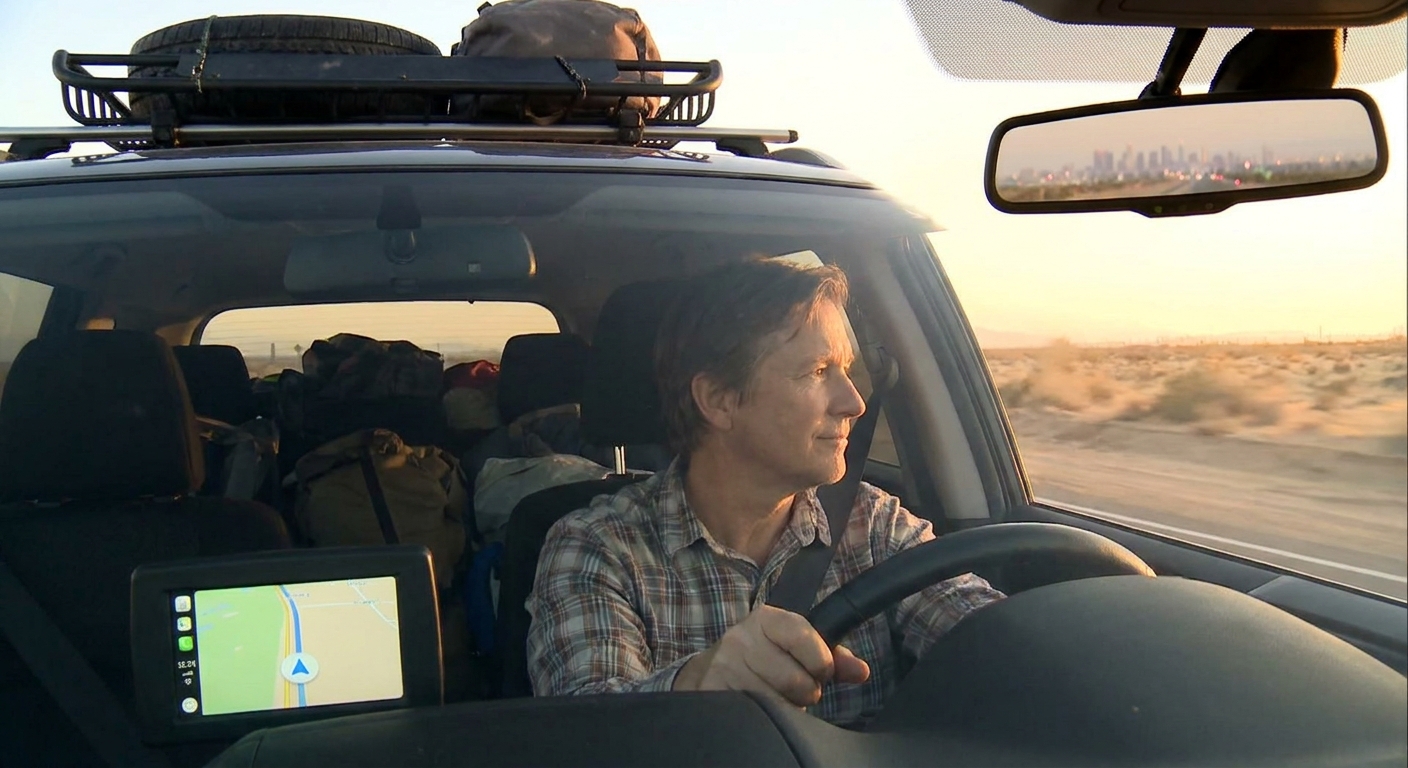
You might be perfectly competent in city traffic yet still feel out of your depth on a long, varied road trip. That’s because road trips ask for a different set of driving skills: consistency, anticipation, adaptability, mechanical sympathy, and communication.
Road Trips Demand More Than Daily Driving Habits
The car you already own is likely good enough. What really upgrades your road trip experience is how you drive it.
Here are five practical skills that make a tangible difference for both everyday drivers and enthusiasts.
1. Reading the Road, Not Just Following the Car Ahead
On long trips, "looking far ahead" is more than a phrase—it’s a habit that reduces surprises and stress.
A. Use a Longer Visual Horizon
Instead of focusing mainly on the vehicle directly in front of you:
- Look two or three cars ahead in traffic.
- On open roads, scan all the way to the vanishing point where the road disappears.
You’ll spot:
- Brake lights scattering up the line before the car ahead reacts.
- Sharp curves, lane drops, or debris earlier.
B. Read the Road Surface
The pavement tells you a lot:
- Shiny patches on an otherwise dry road can be standing water, diesel, or oil.
- Different color strips can mark patched sections that may be bumpier or have different grip.
Adjust speed slightly before these sections instead of mid‑corner.
C. Watch the Shoulders and Exits
Side vision matters:
- On rural highways, scan for driveways, side roads, and parked vehicles where a surprise pull‑out might happen.
- Near cities, exits and on‑ramps are hotspots for vehicles changing lanes last‑second.
You won’t avoid every surprise, but you’ll reduce how many truly catch you off guard.
2. Controlling Speed Smoothly and Intentionally
Many drivers either "set and forget" cruise control or constantly surge and brake. A better approach is smoother and more deliberate.
A. Use Cruise Control as a Tool, Not a Crutch
Cruise control is great on consistent highways, but:
- Turn it off in heavy traffic, in strong crosswinds, or on twisty/rolling roads where it will hunt for gears.
- Be ready to cancel early when you see brake lights or sharper curves ahead.
Adaptive cruise adds convenience, but it still needs your judgement for lane changes and following distances.
B. Learn Gentle Speed Transitions
When conditions change:
- Ease off the throttle early and let engine braking start slowing you before you touch the pedal.
- Apply brakes smoothly and progressively, especially with passengers—jerky stops are tiring for everyone.
Smoother inputs are kinder to your car and your fuel budget.
C. Adjust Speed for Conditions, Not Ego
A consistent, appropriate speed is more important than being the fastest:
- In heavy rain or low visibility, slow down even if others don’t. You only need enough speed to be safe and predictable.
- On scenic or twisty roads, drive at a pace where you can comfortably stop within your visible distance.
Enthusiast or not, discipline beats bravado on unfamiliar roads.
3. Cornering and Hills: Working With the Car, Not Against It
Many road trip routes involve hills, mountain passes, and long descents. Managing them well makes the drive more enjoyable and less stressful.
A. Approach Corners With a Plan
Basic cornering principles work in almost any car:
- Brake in a straight line before the turn, not while heavily leaned into it.
- Enter at a speed that feels almost too slow; you can always feed in throttle if you’ve underestimated.
- Look through the corner where you want to go, not at the outside edge.
You don’t need to drive fast—just consistent and controlled.
B. Use Gears on Hills, Even in Automatics
On long climbs:
- Let the car downshift early rather than forcing it to lug in a high gear.
- If your automatic keeps hunting, try manual mode or a lower gear setting to keep revs steady.
On long descents:
- Select a lower gear and let engine braking assist; this prevents overheated brakes and fade.
C. Respect Altitude and Weather Shifts
Higher elevations and mountain weather can change quickly:
- As temperatures drop, watch for frost, snow, or ice, especially in shaded corners and bridges.
- If you feel the car’s power drop a bit at altitude, that’s normal for non‑turbo engines—just plan passes and merges with extra margin.
4. Practicing Mechanical Sympathy on the Move
"Mechanical sympathy" is the knack for driving in a way that respects how the car works. It doesn’t require mechanical expertise—just a bit of awareness.
A. Warm Up by Driving, Not Idling
On road trip mornings:
- Start the engine, let it idle for 20–30 seconds, then drive gently.
- Avoid hard acceleration or high RPM for the first 10–15 minutes so fluids can reach full temperature.
B. Be Kind to Brakes and Transmission
- Avoid tailgating; it forces repeated hard braking and heats components unnecessarily.
- On automatics, don’t shift between drive and reverse while the car is rolling—come to a full stop first.
C. Listen for Changes
Your ears are a useful diagnostic tool:
- New whines, clunks, or rhythmic thumps at highway speed deserve attention at the next stop.
- A sudden change in steering feel, brake response, or engine note is a signal to slow down and investigate.
Catching issues early can mean a quick check instead of a tow.
5. Communicating Clearly With Passengers and Other Drivers
Good road trip driving isn’t only about car control; it’s also about coordination.
A. Use Signals Generously
- Signal before you start moving, not mid‑lane‑change.
- On multi‑lane highways, signal earlier than in city traffic—everything happens faster at speed.
Other drivers respond better when they have time to see and understand your intentions.
B. Coordinate With Your Passengers
Your passengers can be an asset, not a distraction:
- Ask a front passenger to help watch for signs, exits, or fuel options.
- Before tricky sections (big interchanges, unfamiliar city streets), reduce chatter so you can focus.
Let them know what you’re doing: "I’ll need quiet for a minute while we find this exit." That’s enough.
C. De‑Escalate, Don’t Engage
On long drives, it’s easy to let one bad interaction bother you for miles. Instead:
- If someone cuts you off, back off slightly to rebuild your space cushion.
- Avoid retaliatory behavior (tailgating, brake checks); they don’t fix anything and raise risk.
Your goal is to keep your environment predictable, not prove a point.
Final Thoughts
Road trip driving is a skill you can actively improve. By learning to read the road, control speed smoothly, handle corners and hills confidently, treat your car with mechanical sympathy, and communicate clearly, you turn long distances from something to endure into something you can genuinely enjoy.
The car you already have will feel better to drive—and everyone traveling with you will notice the difference.