
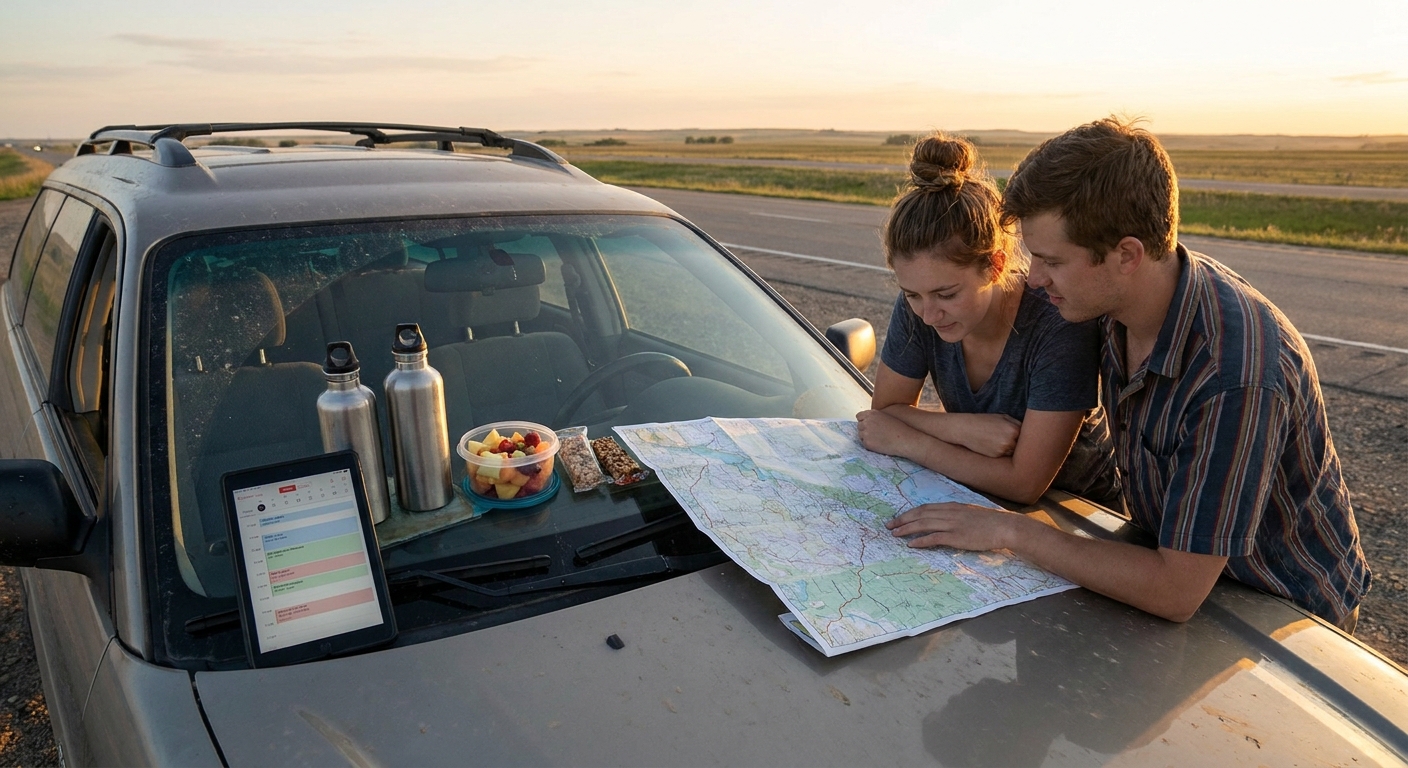
Long-distance road trips look glamorous on social media—sunset shots, empty roads, dramatic captions. What you don’t see is the stiff backs, rushed meals, and frayed tempers that often come with bad planning.
Why "Realistic" Beats "Epic" on Long Drives
The key isn’t to make your trip epic; it’s to make it realistic. When you plan for what you and your car can actually handle, you’ll end up enjoying more of the journey and dreading less of the distance.
This guide breaks down long-distance planning into five practical pillars.
1. Set Honest Daily Mileage Limits
Everyone has a number in mind for "how far" they can drive in a day. Most people overestimate it.
A. Know Your Realistic Range
For most everyday drivers:
- 400–500 miles (640–800 km) is a full, but manageable day if you enjoy driving.
- 300–400 miles (480–640 km) is more comfortable if you want relaxed stops and a normal bedtime.
- Above 600 miles (960 km) is survival mode, not sightseeing.
Your limit isn’t just about stamina. It’s about:
- Weather and time of year
- Number of drivers
- Type of roads (interstate vs two‑lane twisty roads)
- Whether you’re towing or heavily loaded
B. Use Time, Not Just Distance
When planning, think in hours behind the wheel, not just miles.
As a rule of thumb:
- Assume 55–60 mph (90–100 km/h) average including fuel and bathroom stops.
So if a nav app says 8 hours, you’re realistically looking at 9–10 hours of travel.
C. Build a Buffer Day
On trips longer than three days, add one buffer day into the plan:
- To make up time after delays (traffic, weather, mechanical hiccups)
- Or to do nothing but explore one area you really like
It’s easier to shift a whole day than to constantly squeeze every schedule.
2. Map Fuel, Food, and Sleep Like Critical Resources
Long-distance trips fall apart when basic needs get ignored or mis-timed.
A. Fuel Strategy That Doesn’t Induce Anxiety
Instead of running to empty, adopt a simple rule:
- Plan to stop by 1/4 tank, especially at night or in rural areas.
- In sparse regions, refuel when you see a station if you’re under half a tank.
If you drive an EV:
- Use apps that show real‑time charger availability and ratings.
- Aim to charge from 10–70%, not to 100%, for quicker turnarounds—unless the next leg is truly long.
B. Align Food Stops With Fuel Stops
Combining food and fuel stops keeps the day flowing:
- Every 2–3 hours: quick stop (bathroom, snack, stretch).
- Every 4–5 hours: longer break where you can sit, eat properly, and take a mental reset.
Look slightly ahead on the map: the next decent town is often worth waiting an extra 30 minutes for better food and atmosphere.
C. Book Beds in the Right Places
Where you sleep shapes how you remember a trip.
- Avoid booking motels right off massive interchanges if you can; noise and truck traffic are constant.
- Look for lodging 5–10 minutes off the main route in smaller towns—often quieter and more character.
- If flexible, target end-of-day towns with multiple options so you can compare or walk in if you’re unsure.
3. Prepare Your Car for Distance, Not Just Daily Commutes
Daily driving hides small issues that long-distance driving exposes.
A. Inspect Before You Load Up
Do this at least a few days before departure so you have time to fix anything:
- Brakes: Any recent squeal, soft pedal, or vibration at speed? Have them checked.
- Belts and hoses: Look for cracks, bulges, or shiny worn spots.
- Battery: If it’s older than 4–5 years, have it tested—long idles with A/C, lights, and charging can push a weak battery over the edge.
B. Pack a Small but Serious Toolkit
You don’t need a rolling workshop, just:
- Basic socket and screwdriver set
- Adjustable wrench and pliers
- Duct tape, zip ties, and a small roll of electrical tape
- Tire plug kit and portable inflator (especially if you don’t have a proper spare)
These items fix a surprising number of "trip ender" issues well enough to get you to a shop.
C. Distribute Weight Sensibly
An overloaded rear end makes the car floaty and unstable:
- Put heavier items low and forward in the trunk or rear footwells.
- Avoid stacking the roof unless necessary—roof loads raise your center of gravity and hurt fuel economy.
- If you must use a roof box, respect its weight limit strictly and check its mounting points at every major stop.
4. Manage Energy: Yours and Your Passengers’
Long days fall apart when people get bored, uncomfortable, or irritable.
A. Establish Cabin Comfort Rules Early
- Temperature compromise: If one person runs hot and another cold, keep the cabin slightly cool and hand the cold person a light blanket or hoodie.
- Noise limits: Rotate control of music or podcasts; use headphones if tastes truly clash.
Set expectations before hour six, not after.
B. Keep Everyone Moving at Stops
At each break, encourage simple movement:
- Walk the length of the parking lot
- Do a quick leg and shoulder stretch
- Swap seats if possible so everyone gets a different view
Five minutes of movement every couple of hours does more for alertness than an extra coffee.
C. Know the Signs of Fatigue
Driver fatigue creeps in quietly:
- Missing exits or turns you’d normally catch
- Difficulty maintaining lane position
- Relying heavily on lane-keep assist or warnings
- Zoning out and "waking up" a few miles later
When you see this, trade drivers or stop—fatigue is not something you push through safely.
5. Leave Room for Detours and Delays
The most memorable parts of long trips often aren’t penciled into the schedule—but you need space for them.
A. The One Detour Rule
For each full driving day, allow:
- One small, optional detour (a scenic road, historic site, or local diner).
This keeps the plan flexible while still giving the day structure.
B. Respect Weather and Road Conditions
Before you leave each morning:
- Check the weather and your nav app for major incidents.
- If you see storms, snow, or severe wind warnings along your path, consider:
- Delaying departure
- Shortening the day’s target
- Re‑routing around the worst areas
Adjusting early is almost always easier than reacting late.
C. Capture the Journey Without Making It a Film Set
Take photos and notes, but don’t turn every stop into a production:
- One quick car + scenery shot when the scene genuinely interests you
- Short notes in your phone at the end of each day with what stood out
You’ll build a story without burning time or patience.
Final Thoughts
A realistic long-distance road trip plan isn’t boring; it’s the framework that keeps your journey enjoyable from the first mile to the last. By setting honest daily limits, treating fuel and sleep as non‑negotiable, preparing your car properly, managing everyone’s energy, and leaving space for the unexpected, you’ll arrive where you’re going with enough left in the tank to actually enjoy being there.