
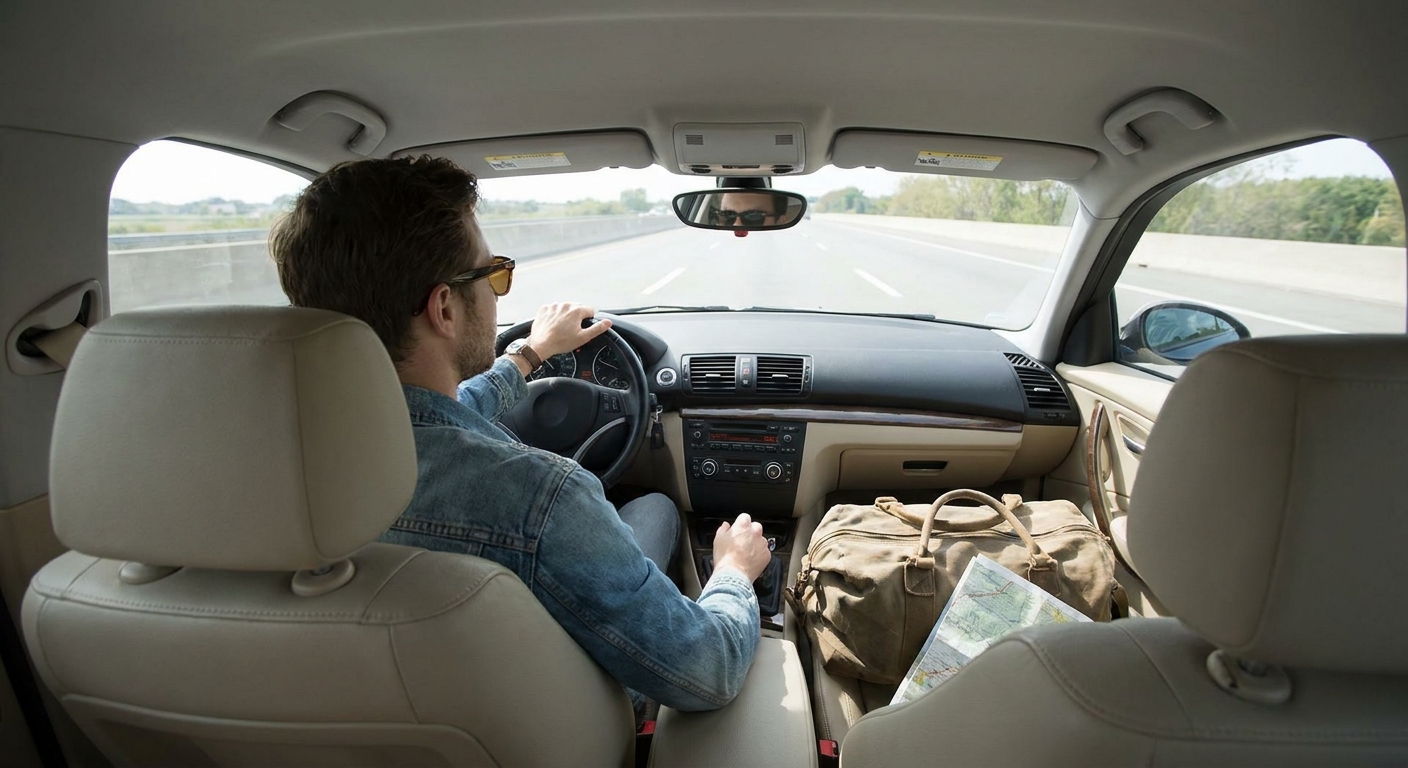
Most people think of road trips as either epic adventures or long, uncomfortable drives that leave your back aching and your mood shot. The reality sits somewhere in the middle: with a bit of planning and the right mindset, road trips can be surprisingly low‑stress, even in an ordinary daily driver.
Why Road Trips Don’t Have to Be Exhausting
This guide focuses on practical, experience‑based tips that work whether you’re in a ten‑year‑old hatchback or a performance sedan.
1. Prep Your Car for Real‑World Conditions (Not Instagram)
Most pre‑trip checklists focus on picture‑perfect setups. Instead, think about what actually fails on real cars in real conditions.
A. Fluids and Filters That Matter Most
- Engine oil: If you’re within 2,000–3,000 miles of your next oil change, do it early. Long highway runs keep the engine hot for hours, which is harder on old oil than short commutes.
- Coolant: Overheating ruins trips fast. Check the reservoir level when the engine is cold and look for any dried coolant trails around hoses or the radiator.
- Washer fluid: Highway bugs and truck spray will blind you quicker than you expect. Top up with a proper washer mix, not just water.
B. Tires: Your Real Safety Net
Highway failures are often tire‑related:
- Tread depth: Aim for at least 4 mm if you’ll see rain. Use the wear bars or a cheap tread gauge.
- Pressure: Check when cold, using the door‑jamb sticker as your guide—not the number on the sidewall. Slightly higher pressure (2–3 psi above spec) can improve stability and fuel economy on long highway stretches.
- Spare and tools: Confirm you have a usable spare (or inflation kit), jack, and wheel wrench that actually fits your lugs.
C. The 10‑Minute Function Test
Before you pack:
- Try all lights (headlights, high beams, indicators, brake lights, hazards).
- Check horn, wipers, and washer jets.
- Test A/C and heat—climate fatigue on a long drive is real.
Ten minutes here can save an hour on the shoulder later.
2. Plan Your Route Like a Local, Not a Tourist
Navigation apps are great, but they don’t know your patience level, your fuel range, or your interests.
A. Build a Skeleton Route First
Before worrying about coffee stops:
- Mark your start, end, and any non‑negotiable waypoints (hotel, friend’s place, event).
- Note distance between major towns so you know where services are.
- Identify one or two bail‑out points in case of weather or fatigue where you can safely call it a day.
B. Use Two Apps, Not One
- Use a general nav app (Google Maps, Apple Maps, Waze) for live traffic and closures.
- Cross‑check with a map or second app for alternate routes if a major highway snarls.
You don’t need full redundancy, just a backup option so you’re not stuck following bad reroutes in frustration.
C. Time Your Passes and City Crossings
Experience teaches two key rules:
- Avoid big cities during morning and evening rush. Plan to hit them mid‑day or later at night.
- Aim to cross mountain passes or rural stretches with no services in daylight if you’re not familiar with the area.
A small tweak in departure time—sometimes just an hour—can turn a frustrating grind into a smooth run.
3. Pack Like You’ve Done This Before
Most people overpack gadgets and underpack the basics that make discomfort creep in.
A. Comfort Items That Actually Matter
- Neck or lumbar support: A simple cushion or rolled‑up towel behind your lower back can transform an average seat into a comfortable one.
- Layered clothing: Temperatures swing inside a car. A light hoodie or flannel beats endlessly adjusting the climate controls.
- Dedicated “front seat” bag: Keep snacks, water, napkins, chargers, and sunglasses within reach, not buried in the trunk.
B. Smart Snacks and Hydration
You don’t need a full grocery run—just enough to avoid cranky, low‑blood‑sugar decisions:
- Slow‑burn snacks: Nuts, granola, cheese sticks, apples—things that don’t spike and crash your energy.
- Moderate hydration: Sip steadily, don’t chug. Aim for regular bathroom stops tied to fuel or stretch breaks.
C. A Practical Emergency Kit
Skip the novelty survival gadgets. Focus on what people actually use:
- Jumper cables or a compact jump pack
- Basic first‑aid kit
- Tire pressure gauge and a can of sealant (if you don’t have a spare)
- Flashlight (headlamp if possible) and gloves
- Paper map or screenshot of the route in case of no signal
4. Drive the Car You Have, Not the One in the Commercial
You don’t need to "attack" the road for a trip to be enjoyable. Smooth, consistent driving is easier on you and the car.
A. Pace Yourself for Comfort and Safety
- Set cruise control a few mph below the speed you think you want. You’ll often arrive only a few minutes later, but with noticeably less fatigue.
- Leave bigger following distances than you would in city traffic; it reduces hard braking and surprise lane changes.
B. Use Your Gears and Modes Wisely
- In automatics, don’t be afraid to use manual mode or "L" / "S" on long descents to avoid riding the brakes.
- If you have drive modes, normal or eco usually work best for steady highway runs. Sport mode is rarely beneficial for hundreds of miles of cruising.
C. Protect Your Body, Not Just Your Car
Every 1.5–2 hours:
- Stop for 5–10 minutes: walk, stretch calves and hip flexors.
- Do a quick posture reset when you get back in: seatback slightly reclined, wrists resting on top of the wheel with a slight elbow bend.
You’ll be far less drained at the end of the day.
5. Make the Trip the Point, Not Just the Distance
A good road trip isn’t about bragging rights for "making it in one shot". It’s about arriving with enough energy to enjoy where you’ve gone.
A. Build in One "No Agenda" Stop per Day
Pick something simple:
- A small town main street
- A roadside viewpoint
- A local bakery or diner
Spend 20–30 minutes off your schedule. It resets your brain and gives the trip some character beyond gas station receipts.
B. Capture Memories Simply
You don’t need a full camera rig:
- Snap one or two photos at each meaningful stop—your car in context, not staged.
- Jot a one‑line note in your phone for each day: best road, worst traffic, something funny that happened.
These tiny logs are gold when you look back.
C. Know When to Call It
Being realistic is part of being a responsible driver:
- If your concentration drifts, swap drivers or stop for a proper rest.
- If weather turns bad, give yourself permission to pull off early and adjust plans.
No destination is worth driving beyond your limits.
Final Thoughts
A stress‑free road trip isn’t about the perfect car or the perfect route. It’s the result of a few thoughtful decisions: preparing your vehicle, pacing your day, packing for comfort, and remembering that the journey itself is part of the experience.
Treat your next trip like something you want to enjoy, not endure, and even an ordinary drive can feel like a small adventure.