
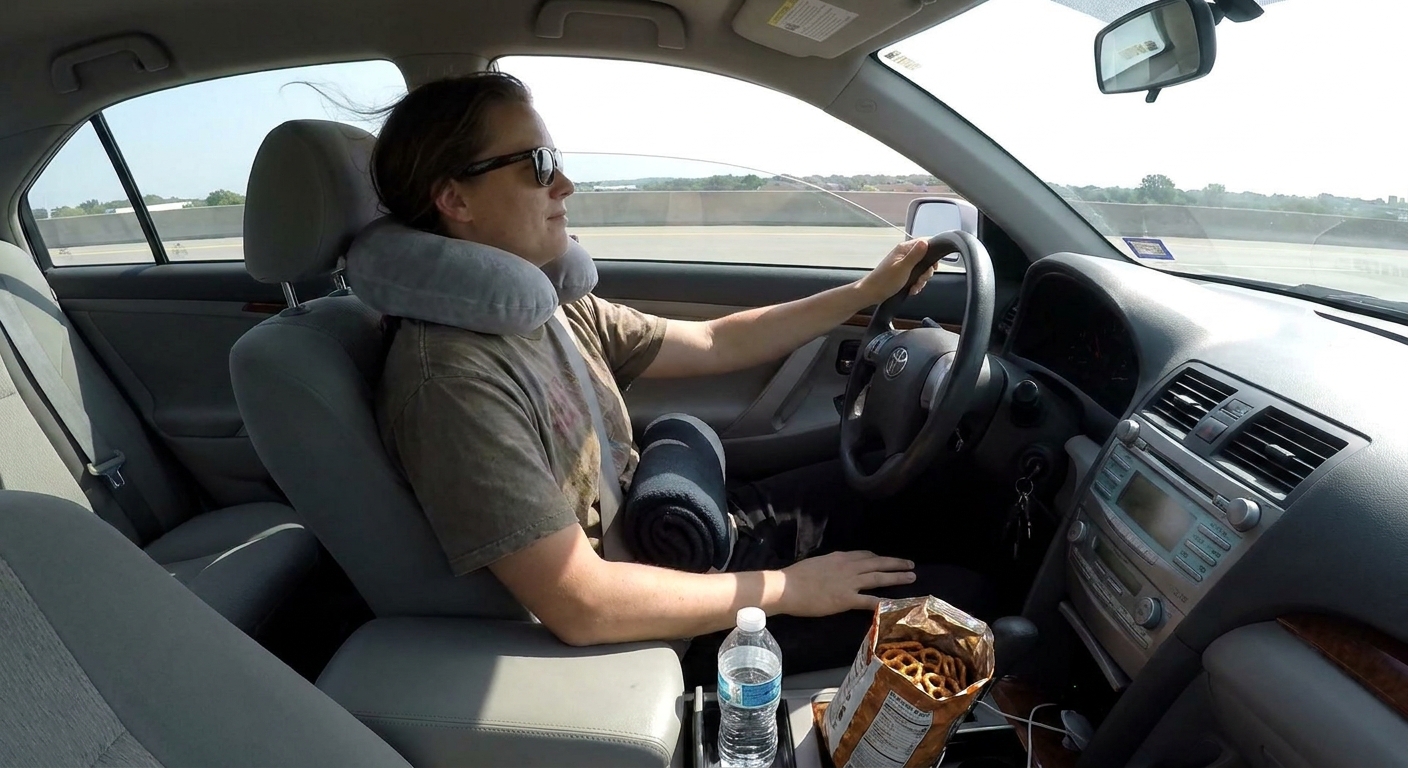
People often blame their car seats for every ache on a long drive, but comfort on a road trip is about more than upholstery and cushions. It’s the combination of posture, cabin setup, climate, pacing, and mindset.
Comfort Is a System, Not a Seat Option
The good news: you don’t need a luxury car to feel decent after six or eight hours on the road. You just need to adjust a few things most drivers never touch.
Here are five small, practical changes that make a big difference.
1. Dial In Your Driving Position Properly
A rushed seating position is one of the main reasons people feel wrecked after long drives. Taking five minutes at the start of a trip can change the entire day.
A. Start From the Bottom Up
Seat height:
- Raise it until you can see clearly over the dash but still have a bit of headroom. - Higher isn’t always better; too high and you’ll compress your hips and lower back.
Seat distance:
- With your back against the seat, your legs should reach the pedals with a slight bend at the knee. - If you fully straighten your leg to hit the clutch or brake, you’re too far back.
Backrest angle:
- Aim for a slight recline, not fully upright or lounge‑chair laid back. - A good test: with your shoulders touching the seat, you can rest your wrists on top of the steering wheel with a slight elbow bend when you grip it.
B. Add Simple Support Instead of Fighting the Seat
- If your lower back feels hollow or strained, add a small lumbar roll (even a folded towel works) at belt height.
- If your thighs feel unsupported, raise the seat front slightly or place a thin cushion toward the front of the seat base.
C. Re‑Check After an Hour
Your body will "settle" into the car:
- At the first fuel or coffee stop, tweak the recline or seat distance if anything feels off.
- Minor changes—just a click or two at a time—are usually enough.
2. Treat Climate and Airflow Like Tools, Not Background Settings
Cabin climate isn’t just about comfort; it directly affects alertness and fatigue.
A. Temperature: Slightly Cool Wins
- Most people are most alert when the cabin is kept slightly cool rather than warm and cozy.
- If passengers get cold easily, give them layers or a light blanket instead of baking the whole cabin.
B. Air Circulation: Use Outside Air Regularly
- Running recirculation constantly can make the air feel stale and stuffy.
- Every 20–30 minutes, swap to fresh air for a few minutes to clear humidity and CO₂.
C. Sun Management
- Bright side light can cause headaches and eye strain over time.
- Use sun visors creatively—swing them to the side windows, not just the front.
- Clip‑on or static‑cling sunshades for rear windows are inexpensive and highly effective, especially for kids.
3. Organize the Cabin So You’re Not Fighting Your Stuff
Discomfort isn’t just physical; it’s also the feeling of constantly digging for what you need.
A. Create Reachable Zones
Anything you might need while driving should be within easy reach without twisting:
- Center console / front passenger footwell: water bottle, sunglasses, phone mount, charging cable, tissues.
- Seatback pocket or door pocket: map, wipes, spare mask, small trash bag.
If you routinely lean into the back seat to grab something, move it forward.
B. Use Simple Containers
You don’t need special organizers—just designate:
- A small bin or pouch for cables and electronics.
- A soft-sided bag for snacks so they don’t roll around or get crushed.
- A dedicated trash bag so wrappers and cups don’t end up under pedals or seats.
C. Keep the Floor Clear
Cluttered floors are both annoying and potentially unsafe:
- Avoid loose bottles near the driver’s feet; they can roll under pedals.
- At every second or third stop, take 30 seconds to toss trash and re‑set.
4. Use Micro-Breaks and Movement to Prevent Stiffness
You don’t need long gym sessions—just a little intentional movement at each stop and even while seated.
A. The Two-Hour Movement Rule
Aim to stop for at least 5 minutes every 1.5–2 hours.
During these breaks:
- Walk the length of the parking area or building once or twice.
- Do easy calf stretches off a curb or step.
- Gently twist your torso left and right with hands on your hips.
These moves keep blood circulating and joints happy.
B. Seated Adjustments While Driving
When it’s safe and straight:
- Gently roll your shoulders back and down.
- Press your shoulder blades lightly into the seat, then relax.
- Alternate pressing each thigh lightly into the seat to wake up your legs.
You’re not working out—you’re just avoiding the locked‑in statue position that leads to aches.
C. Swap Drivers If You Can
If another licensed driver is with you:
- Swap every 2–3 hours, even if you "feel fine".
- A mental break from focusing on the road does wonders for overall comfort.
5. Expect Fatigue and Plan Around It
Even in a comfortable setup, long drives are tiring. Designing your day around that reality makes a huge difference.
A. Front-Load the Day When You’re Sharpest
Most people are most alert mid‑morning:
- Aim to cover the biggest chunk of distance before mid‑afternoon.
- Use the early hours for complex navigation (city exits, interchanges) while you’re fresh.
B. Watch for Early Signs of Declining Focus
Physical discomfort often appears after your concentration has already started slipping.
Common signs:
- Missing simple cues like signs or speed changes.
- Fidgeting frequently, even with a good seat setup.
- Replaying the same song or podcast and not remembering it.
When you notice these, plan your next stop sooner, not later.
C. Stop Before You’re Done In
It’s tempting to push "just one more hour" to reduce tomorrow’s drive. In practice:
- Arriving slightly earlier, with some energy left, makes the whole trip feel better.
- You’ll sleep more soundly, and your body gets a chance to properly recover.
Stopping when you’re at moderate fatigue, not complete exhaustion, is one of the best comfort and safety moves you can make.
Final Thoughts
You don’t need a top‑spec seat or adaptive suspension to be comfortable on a road trip. With a properly adjusted driving position, thoughtful climate use, a tidy cabin, intentional movement, and realistic expectations about fatigue, almost any car can handle long days gracefully.
Treat comfort as a system you can tune, and your next long drive will feel less like endurance and more like a journey you actually enjoy.