
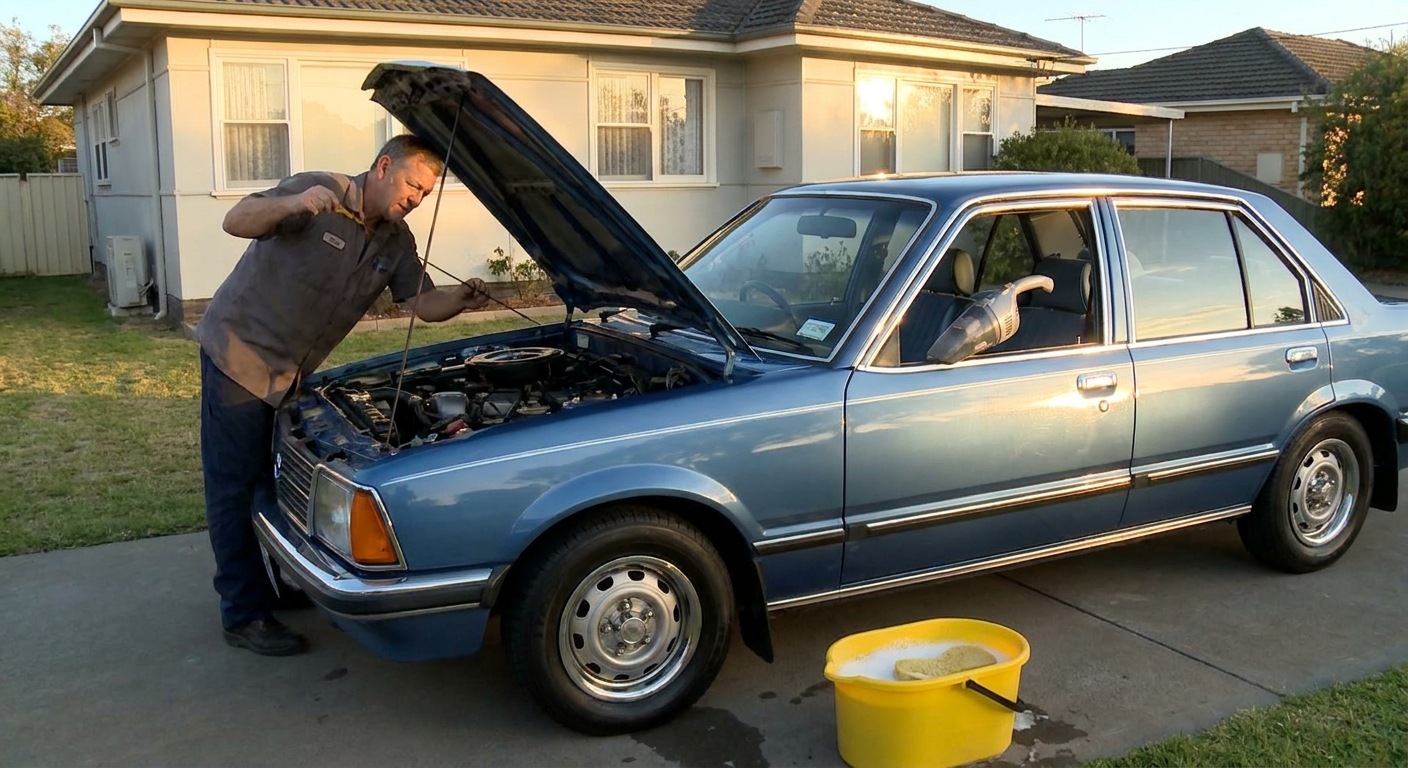
Most drivers wait until something sounds wrong, smells wrong, or lights up red on the dash before paying attention to their car. By that point, you’re usually past the cheap fix and well into the "there goes my weekend budget" territory.
Why Simple Car Care Beats Expensive Repairs
The good news: you don’t need to be a mechanic, buy fancy tools, or live at the parts store to take care of your car. You just need a simple, consistent routine that catches issues early and prevents the dumb, expensive failures.
Below are five practical habits I’ve seen make the biggest difference, both for daily drivers and for people who genuinely love their cars.
1. Check Fluids Like You Check Your Phone Battery
You don’t have to be obsessive—just regular. Fluids are the blood and breath of your car. Ignore them and everything else wears out faster.
What to check monthly (or before a road trip)
- Engine oil
- Look for: level between MIN and MAX, color not pitch black or gritty.
- How: park on level ground, wait a few minutes after shutting off, pull the dipstick, wipe, reinsert, pull again and read.
- Coolant (antifreeze)
- Look for: level between LOW and FULL in the overflow tank, color usually green, orange, pink, or blue – not rusty or muddy.
- Never open a hot radiator cap; use the reservoir markings instead.
- Brake fluid
- Look for: level near the MAX line, fluid generally clear to light amber.
- Low fluid can mean worn brake pads or a leak. That’s not a “wait and see” issue.
- Windshield washer fluid
- Sounds trivial until you’re eating highway grime behind a truck in the rain. Keep it topped off.
Why this matters
Low or nasty fluids quietly destroy parts long before you hear a noise. A two‑minute check each month can literally save you thousands over the life of the car.
Rule of thumb: if any fluid looks milky, gritty, smells burnt, or drops fast between checks, get it inspected.
2. Don’t Cheap Out on Tires: They’re Your Only Contact With Reality
You can have 400 horsepower and high-tech safety systems, but all of it depends on four palm-sized patches of rubber.
Basic tire care that pays off
- Check pressure once a month
- Use a simple digital gauge.
- Set to the numbers on the door jamb sticker, not the sidewall.
- Underinflated tires wear out faster, kill fuel economy, and make handling sloppy.
- Rotate every 5,000–8,000 miles
- Think: every oil change or every other, depending on your schedule.
- Rotation evens out wear and extends tire life.
- Watch tread depth and wear patterns
- Use a tread gauge or the old penny trick (if Lincoln’s head is fully visible, it’s time).
- Inner or outer edge wearing quicker? That usually points to an alignment or suspension issue.
Quick tire inspection checklist
- Any visible cords or metal = do not drive.
- Bulges in the sidewall = replace immediately.
- Vibrations at certain speeds = tire balance or suspension problems.
If there’s one area where “good enough” can hurt you, it’s tires. Middle‑of‑the‑road quality from a reputable brand, properly maintained, beats bargain-bin tires every time.
3. Brakes: Listen, Feel, and Don’t Ignore the Early Warnings
Brakes rarely fail without warning signs—we just tend to ignore them.
What to pay attention to
- Noises
- Light squeal when you first brake: often just surface rust or mild wear indicators.
- Loud, constant squeal or grinding: pads likely worn to metal. You’re now eating your rotors.
- Feel
- Soft or spongy pedal: could be air in the lines or old fluid.
- Pedal slowly sinking at a stop: that’s serious—get it checked immediately.
- Vibration while braking: often warped rotors or uneven wear.
- Dashboard lights
- Brake warning or ABS light staying on is not optional. Have someone scan and diagnose it.
Practical timing
- Most daily drivers need pads every 30,000–60,000 miles, but it varies based on driving style and terrain.
- Brake fluid should typically be changed every 2–3 years, regardless of mileage, because it absorbs moisture over time.
Brakes are one area where you don’t chase “perfect” but you also don’t play games. If you’re unsure, have a shop do a quick visual inspection.
4. Cleaning Your Car Is More Than Just Vanity
Washing and cleaning your car isn’t just to look good on the gram—it genuinely affects paint life, resale value, and even safety.
Exterior care that actually matters
- Regular washes
- Aim for every 2–4 weeks, more often if you get road salt, beach air, or heavy pollen.
- Focus on removing: salt, bird droppings, tree sap, and bug guts – all of which can stain or etch paint.
- Wax or paint sealant twice a year
- Spring and fall are great target times.
- This layer makes washing easier and protects from UV and contaminants.
- Don’t forget the underbody
- If you live where roads are salted, choose a wash with an underbody rinse. Rust often starts where you don’t see it.
Interior care that pays off later
- Vacuum carpets and seats monthly. Grit acts like sandpaper on fabrics.
- Wipe dash and touch points with a mild cleaner; avoid shiny products that reflect into the windshield.
- Use rubber or all-weather mats if you deal with mud, snow, or pets.
A clean car is easier to sell, more pleasant to drive, and tends to stay in better condition because you notice changes sooner.
5. Build a Relationship With One Good Shop (Even If You DIY)
You don’t need to be best friends with your mechanic, but knowing one trustworthy shop is worth more than the cheapest oil change in town.
Why this is underrated
- They get to know your car’s history and can spot patterns.
- You’re less likely to be upsold on every possible service.
- When something weird happens (noise, smell, vibration), you have a go‑to second opinion.
How to find a decent shop
- Look for clear communication, not just the lowest quote.
- Ask what’s urgent, what’s recommended, and what can wait. A good shop respects budgets.
- Check reviews for consistency, not perfection—every shop has a few grumpy customers.
Even if you do some maintenance yourself (oil changes, air filters, basic stuff), having a pro you trust for brakes, diagnostics, or bigger jobs saves time and stress.
Putting It All Together: A Simple Monthly Routine
If you want a quick, realistic plan, start here:
- Once a month: check tires, oil, coolant, washer fluid, and take a 30‑second walk-around.
- Every 5,000–8,000 miles: oil change, tire rotation, basic inspection.
- Twice a year: wax, deep clean inside, and ask your shop to give the suspension and brakes a closer look.
You don’t need to know everything about cars to take care of one. Focus on repeatable habits, pay attention to what your car is telling you, and handle small problems before they grow teeth. That’s the real secret to keeping your ride happy—and your wallet calmer.